
Plain answers for busy managers
Commercial Cleaning Guides
These commercial cleaning guides answer the questions Melbourne business owners, office managers, property managers and renters ask us most: how often carpet should be cleaned, what a fair hourly rate is, what to check before signing a cleaning contract, and what an end of lease clean needs to cover in Victoria. Each guide answers its question fully first, with sources where rules or rates are involved, and only then mentions the single service page to visit if you would like a hand. Nothing here is written to fill space. If you would rather talk to someone about your site, our Melbourne commercial cleaning team can help directly.

Start here
Which commercial cleaning guide should you read first?
Start with the guide that matches the decision in front of you. Budgeting for a cleaner? Read the hourly rates guide. Comparing providers? Read the contract checklist. Moving out of a rental or a leased office? Read the end of lease checklist. Each takes about ten minutes.
- Hiring a cleanerI need to budget and compare
Understand what cleaners charge, why prices differ and what a fair contract looks like before you call anyone.
Hourly rates in Melbourne - Moving outI am leaving a rental or lease
A room-by-room list of what needs cleaning, what inspectors look at first and what can be left to a professional.
End of lease checklist - Running a kitchenI manage a cafe or restaurant
How to keep exhaust filters clean in-house, how often the system needs a professional clean and why it matters for fire safety.
Kitchen exhaust guide
We wrote these because the same questions come up at almost every site visit, and good answers are hard to find. Much of what is online about cleaning is either written for homes, written for another country, or written to sell a single product. Rates differ in Australia because of the award system. Rules for renters are specific to Victoria. Fire safety expectations for commercial kitchens come from Australian standards and industry guidance, not overseas blogs.
Where a guide relies on a rule or a number, it links to the source, such as the Fair Work Ombudsman for award rates, Consumer Affairs Victoria for renting, or the NDIS for plan pricing. Official figures change, usually each July, and we update the guides when they do.
All guides
What do the eight guides cover, and who is each one for?
The eight guides cover carpet care, spring cleaning, kitchen exhausts, end of lease cleaning in Victoria, hourly rates, the difference between cleaning, sanitising and disinfecting, NDIS cleaning prices, and what belongs in a commercial cleaning contract. Each one is written for Melbourne and links to the matching service.
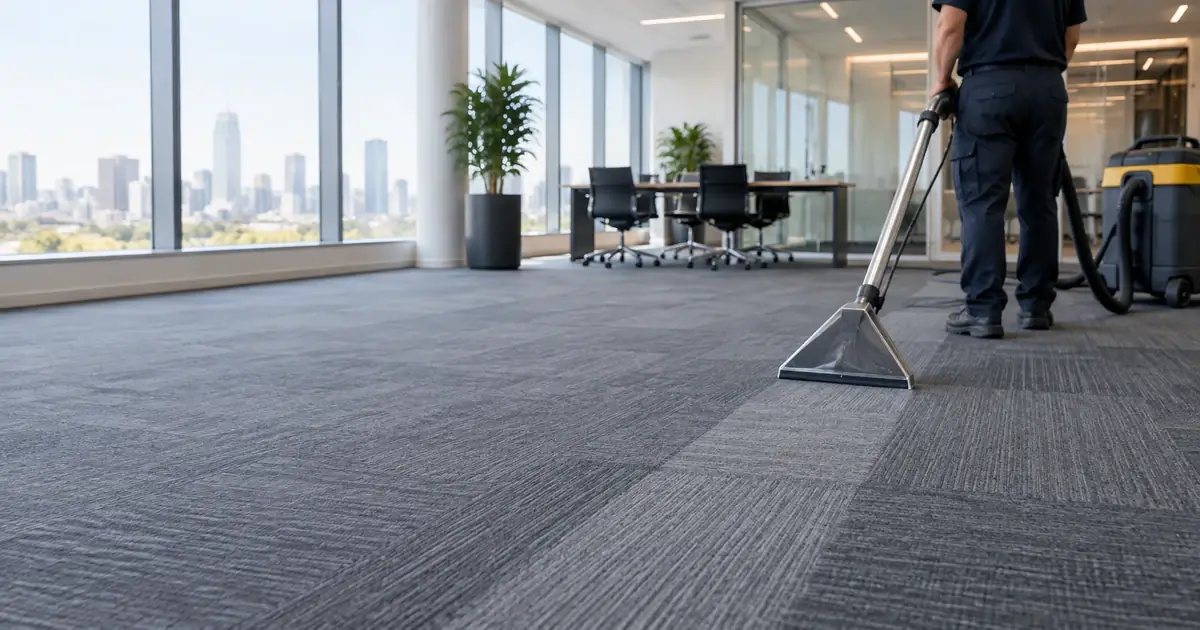 CarpetA Guide to Commercial Carpet CleaningMethods, frequency by traffic, drying time and programs.
 ChecklistThe Commercial Spring Cleaning ChecklistEvery zone of an office, shop or venue, and what to outsource.
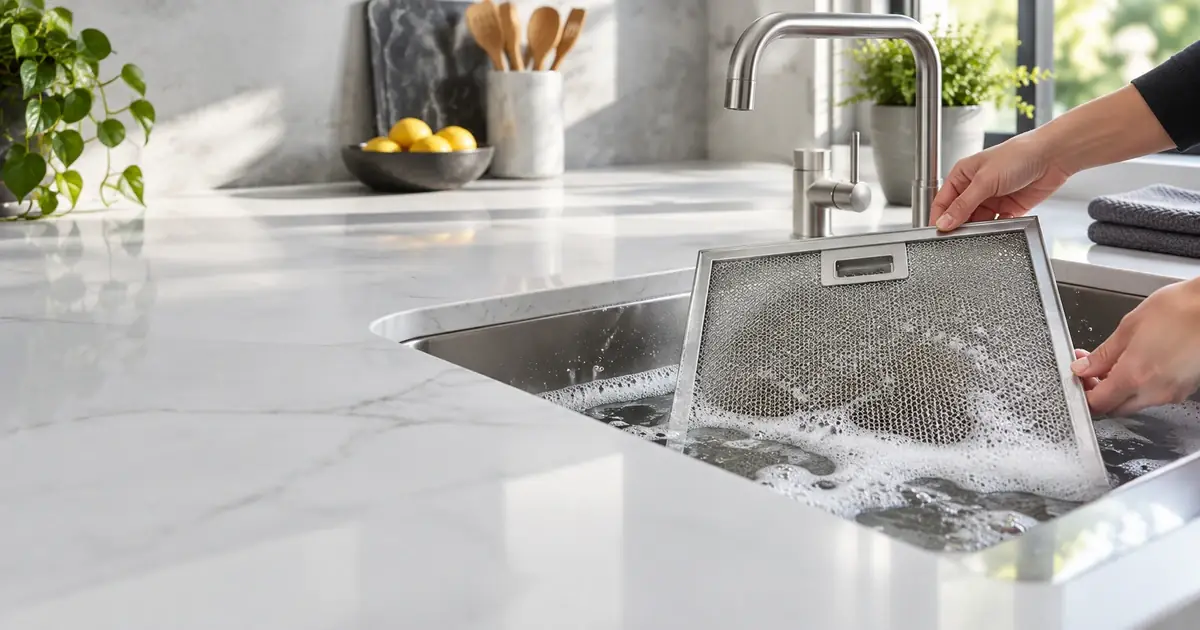 KitchensHow to Clean a Kitchen Exhaust FanFilters you can do yourself, and where the professional clean starts.
 Moving outThe End of Lease Cleaning Checklist (Victoria)Room by room, with what agents check first.
 PricingWhat Melbourne Cleaners Charge by the Hour2026 rates, per-visit pricing and what a fair rate covers.
 HygieneCleaning vs Sanitising vs DisinfectingThree different jobs, dwell times and whether fogging helps.
 NDISNDIS Cleaning Price GuideHow cleaning is priced and paid for under a plan.
 ContractsReading a Cleaning Contract Before You SignScope, insurance, checks, records and exit terms.
The guides are grouped by the moment you are likely to need them. Pricing and contract guides help before you hire anyone. The carpet, spring cleaning and kitchen exhaust guides help once cleaning is in place and you want to plan the bigger jobs through the year. The end of lease and NDIS guides are for specific situations where rules matter and mistakes can be costly.
None of them assume you will hire us. Several explain how to do part of the job yourself, such as washing exhaust filters or preparing a rental for inspection, and say plainly where the do-it-yourself approach stops being sensible.
Several guides include checklists you can print or copy into your own systems. The spring cleaning and end of lease checklists are laid out room by room so a team can split the work, and the contract checklist is designed to be taken into a meeting with a provider and worked through line by line. Feel free to use them with any cleaner, including your own staff.
How we write
How are the guides kept accurate?
Each guide is written from what our crews see on real sites, then checked against the official source for any rule, rate or standard it mentions. Figures that change each year, such as award rates and NDIS price limits, are reviewed when the new figures are published.
Rates are the most time-sensitive content. Cleaning award rates change on 1 July each year, and the Fair Work Ombudsman publishes a summary of the Cleaning Services Award with the current pay guide. NDIS price limits also change on a yearly cycle. When either changes, the guides that quote them are updated, and the date on the guide shows when it was last checked.
Standards and industry guidance are handled the same way. The kitchen exhaust guide draws on the best practice guide published by AIRAH, the national body for the refrigeration and air conditioning trades, the carpet guide on the Carpet Institute of Australia's maintenance advice, and the end of lease checklist on Consumer Affairs Victoria's rules for renters and rental providers. Each one names its source in the text.
We also avoid claims we cannot back up. You will not find kill-rate percentages, promises that a clean will guarantee a bond refund, or invented statistics. If something depends on your lease, your plan or your building, the guide says so.
Using the guides
How can a business use these guides with its own team?
A business can use these guides to brief staff, set expectations with a cleaner and plan the year. Office managers often share the spring cleaning checklist before a shutdown, kitchen managers use the exhaust guide to train closing staff, and property managers pass the end of lease checklist to outgoing tenants.
The most useful thing a guide can do is make a conversation shorter. If your team already knows what a fair hourly rate covers, a quote is easier to judge. If closing staff know how often filters should be washed, the professional exhaust clean finds less grease and costs less. If a tenant knows what an inspector looks at first, the end of lease clean is aimed at the right places.
If a guide raises a question it does not answer for your situation, ask us. We would rather answer a question properly on the phone or at a site visit than have a guide stretched to cover every possible case.
Question
Who writes the guides?
One question comes up about the guides themselves, usually from people deciding how much weight to give them. Here is the answer.